🚚 Australia-Wide Delivery |🔒 Secure & Encrypted Checkout | 💊 Quality Healthcare Products
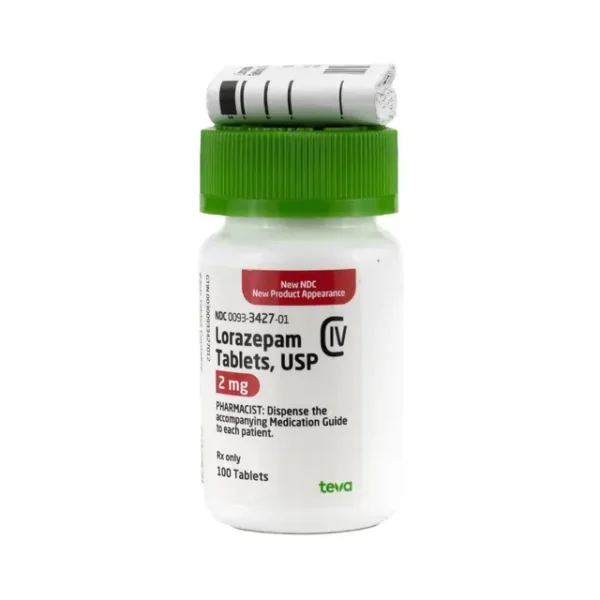
Lorazepam 2 mg Tablet 100/Bottle
$45.00
Indications and usage:
Lorazepam (Ativan) is a benzodiazepine indicated for the treatment of:
- anxiety disorders
- short-term relief of the symptoms of anxiety or anxiety associated with depressive symptoms (such as trouble sleeping, nervousness, tension)
- psychomotor agitation
- ICU agitation
- panic disorder
- alcohol withdrawal
- borderline personality disorder
- cervical dystonia
- dysautonomia
- catatonia
- chemotherapy-induced nausea and vomiting
- certain types of seizure disorders (active seizures, status epilepticus)
- insomnia (to induce sleep)
- migraine, headache
- for acute coronary syndrome due to cocaine use
- for recreational purposes
- during surgery for light anesthesia, sedation and to interfere with memory formation
Dosage and administration:
Lorazepam (Ativan) tablets are administered orally. For optimal results, dose, frequency of administration, and duration of therapy should be individualized according to patient response. To facilitate this, 0.5 mg, 1 mg, 2 mg, 2.5 mg, 3 mg tablets are available.
The usual range is 2 to 6 mg/day given in divided doses, the largest dose being taken before bedtime, but the daily dosage may vary from 1 to 10 mg/day.
For anxiety, most patients require an initial dose of 2 to 3 mg/day given two times a day or three times a day.
For insomnia due to anxiety or transient situational stress, a single daily dose of 2 to 4 mg may be given, usually at bedtime.
For elderly or debilitated patients, an initial dosage of 1 to 2 mg/day in divided doses is recommended, to be adjusted as needed and tolerated.
The dosage of lorazepam should be increased gradually when needed to help avoid adverse effects. When higher dosage is indicated, the evening dose should be increased before the daytime doses.Dosage forms and strengths:
Ativan (Lorazepam) tablets are available in the following dosage strengths: 0.5 mg, 1 mg, 2 mg, 2.5 mg, 3 mg.
Contraindications:
Ativan (Lorazepam) pills are contraindicated in patients with:
- hypersensitivity to benzodiazepines or to any components of the formulation
- acute narrow-angle glaucoma
Warnings:
- Risks from concomitant use with opioids: concomitant use of benzodiazepines, including Lorazepam (Ativan), and opioids may result in profound sedation, respiratory depression, coma, and death. Because of these risks, reserve concomitant prescribing of these drugs in patients for whom alternative treatment options are inadequate.
- Abuse, misuse, and addiction: the use of benzodiazepines, including Ativan (Lorazepam), exposes users to the risks of abuse, misuse, and addiction, which can lead to overdose or death. Abuse and misuse of benzodiazepines often (but not always) involve the use of doses greater than the maximum recommended dosage and commonly involve concomitant use of other medications, alcohol, and/or illicit substances, which is associated with an increased frequency of serious adverse outcomes, including respiratory depression, overdose, or death.
- Dependence and withdrawal reactions: patients at an increased risk of withdrawal adverse reactions after benzodiazepine discontinuation or rapid dosage reduction include those who take higher dosages, and those who have had longer durations of use.
Precautions:
- In patients with depression, a possibility for suicide should be borne in mind; benzodiazepines should not be used in such patients without adequate antidepressant therapy.
- Lorazepam should be used with caution in patients with compromised respiratory function.
- Elderly or debilitated patients may be more susceptible to the sedative effects of Ativan.
- Paradoxical reactions have been occasionally reported during benzodiazepine use.
- The usual precautions for treating patients with impaired renal or hepatic function should be observed.
- In patients where gastrointestinal or cardiovascular disorders coexist with anxiety, it should be noted that lorazepam has not been shown to be of significant benefit in treating the gastrointestinal or cardiovascular component.
- Safety and effectiveness of this medication in children of less than 12 years have not been established.
Overdosage:
In post-marketing experience, overdose with Lorazepam (Ativan) has occurred predominantly in combination with alcohol and/or other drugs.
Symptoms
With benzodiazepines, including lorazepam, symptoms of mild overdosage include drowsiness, mental confusion and lethargy. In more serious overdoses, symptoms may include ataxia, hypotonia, hypotension, hypnosis, Stages I to III coma, and, very rarely, death.
Symptoms can range in severity and include, in addition to the above, dysarthria, paradoxical reactions, CNS depression, respiratory depression, and cardiovascular depression.Treatment
In the case of an oral overdose, if vomiting has not occurred spontaneously and the patient is fully awake, emesis may be induced with syrup of ipecac 20-30 mL (where there is risk of aspiration, induction of emesis is not recommended). Gastric lavage should be instituted as soon as possible and 50-100 g of activated charcoal should be introduced to and left in the stomach.
Ativan (Lorazepam) is poorly dialyzable. Lorazepam glucuronide, the inactive metabolite, may be highly dialyzable.
Related products
-
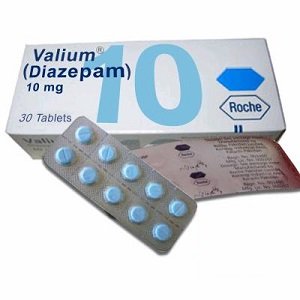
Valium 10mg
$500.00 -
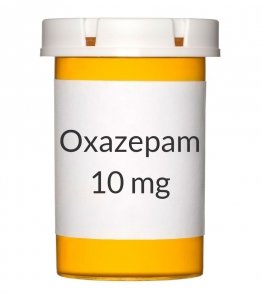
oxazepam (Serax®)
Price range: $54.00 through $216.00Select options This product has multiple variants. The options may be chosen on the product page -
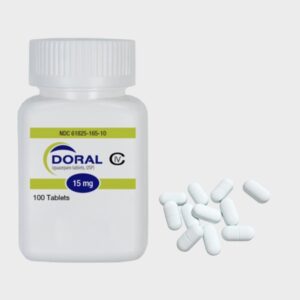
Quazepam (Doral®)
Price range: $300.00 through $1,200.00Select options This product has multiple variants. The options may be chosen on the product page -
Blue Xanax 2mg
$330.00
Reviews
There are no reviews yet.